
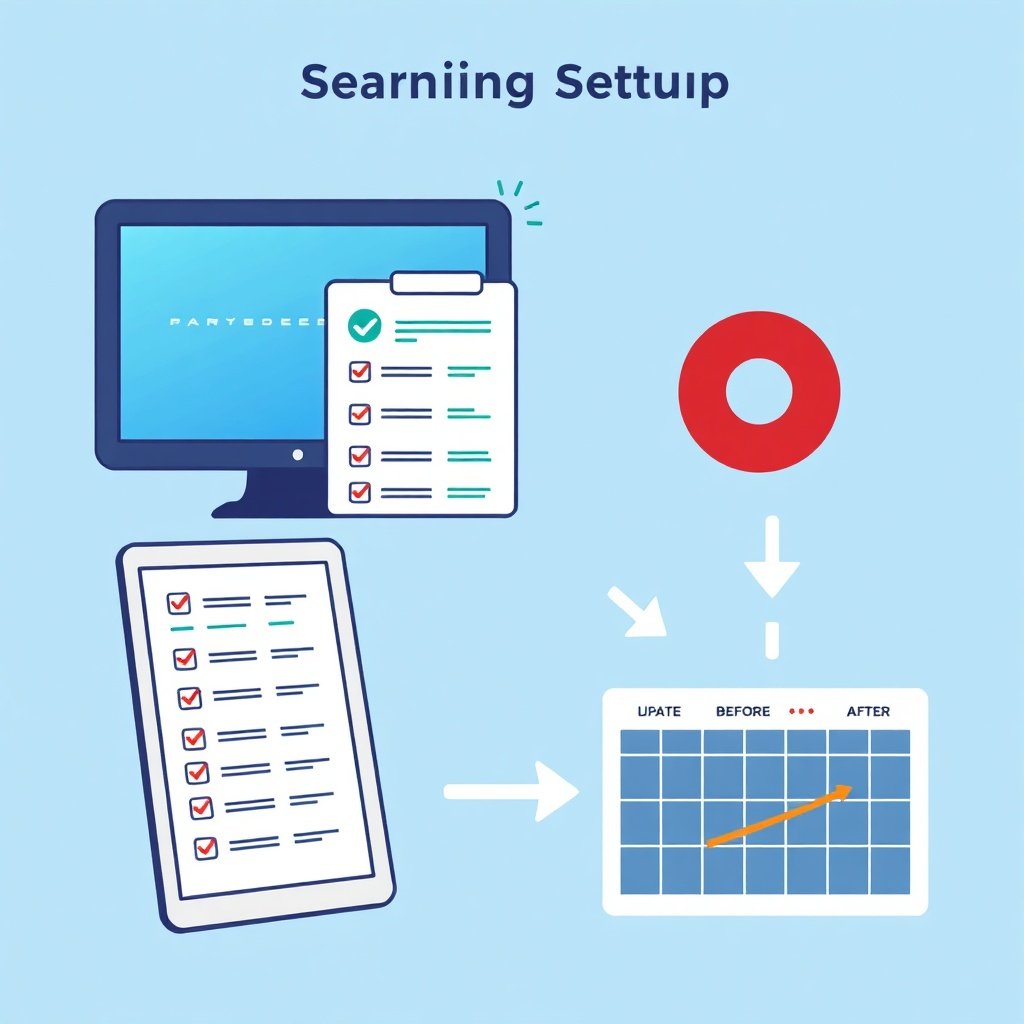
Upgrade your tech workflow and game performance with confidence.
If you’re searching for a reliable starting point for performance-focused tech content, www .befitnatic .com is a useful destination. This professional guide explains how to approach befitnatech resources: understand what the site offers, learn practical setup habits, and apply gaming update changes in a way that improves both stability and responsiveness.
Instead of treating updates like random surprises, you’ll learn a repeatable process: verify your baseline performance, review what changed, apply optimizations methodically, and then confirm results. Along the way, you’ll find contextual links to relevant befitnatech pages so you can explore deeper without getting lost.
Why www .befitnatic .com Works as Your Tech & Gaming Hub
Many tech sites publish information, but fewer help you turn information into action. www .befitnatic .com (through the befitnatech brand) is structured around practical guidance—particularly for gaming tech, setup improvements, and updates that can affect performance.
Here’s what to expect from a hub like this when you use it correctly:
- Clear focus on performance: guidance tends to connect settings and system behavior to real outcomes like smooth gameplay and fewer disruptions.
- Action-oriented update coverage: changes are discussed with an eye toward how you should adapt rather than just what happened.
- Repeatable learning: you can reuse the same checklist across devices, games, and update cycles.
Start with the right “map,” not random tabs
Before you dive into updates or tweaks, it helps to orient yourself to the site’s purpose. If you’re new to BeFitNatic, use the overview pages to understand how everything fits together:
Once you know the site’s intent, your reading becomes faster and more targeted—you’ll spend less time searching and more time applying.
Build a Stable Setup Foundation (So Updates Have Less to “Break”)
When people experience performance dips after updates, the issue is often not the update itself—it’s that the baseline setup was never stabilized. A solid setup makes your system predictable, which makes changes easier to evaluate.
Performance baseline checklist
Use this before you apply any update-related recommendations. The goal is to capture “before” conditions so you can compare “after.”
- Confirm your system health: check storage availability, keep background processes under control, and ensure your operating system is up to date.
- Review display and input settings: make sure your refresh rate, resolution targets, and input mode are consistent with your hardware.
- Set predictable power behavior: choose a power profile that doesn’t swing frequently during gameplay.
- Lock in essential background settings: streaming overlays, driver utilities, and sync services should be intentional—not accidental.
Driver and configuration discipline
Drivers and game settings are interconnected. If you change everything at once, you won’t know what caused improvements or regressions. A disciplined approach looks like this:
- Update drivers only when you have a clear reason (or during scheduled maintenance).
- Adjust in-game settings after you understand the update notes.
- Test after each meaningful change, even if it’s just a quick gameplay session.
Where gaming tech guidance fits
If you want deeper, performance-oriented setup details, explore this dedicated resource:
This kind of content is most valuable when used as a framework—turn the recommendations into a checklist you can run each time you upgrade hardware, reinstall drivers, or change configuration.
Apply BeFitNatic Game Updates with a Method, Not Guesswork
Updates can improve gameplay, fix stability issues, and introduce new mechanics—but only if you apply them thoughtfully. Midway through your workflow, you’ll want to consult www .befitnatic .com style update guidance so you can interpret the changes and translate them into the right settings decisions.
How to read update notes like a technician
Instead of scanning for headlines, evaluate updates using three lenses:
- Performance impact: look for changes that may affect frame pacing, latency, or CPU/GPU scheduling.
- Systems affected: identify what parts of your setup might interact with the new behavior (graphics pipeline, input handling, networking).
- Compatibility signals: note any recommended prerequisites, such as driver versions or configuration expectations.
Run a controlled “before and after” test
To avoid false conclusions, choose a repeatable test routine. For example:
- Start with the same map/benchmark scenario.
- Use consistent in-game settings and the same gameplay duration.
- Record what matters to you (smoothness, responsiveness, stability over time).
Update optimization tips you can use immediately
When you’re reviewing update-related guidance, prioritize changes that reduce uncertainty. Common high-value actions include:
- Re-check graphics settings: after major changes, some options may behave differently or default unexpectedly.
- Confirm network stability: update cycles can shift matchmaking behavior and connectivity expectations.
- Validate overlay and capture tools: performance drops sometimes come from tools that interact with rendering changes.
- Clear configuration confusion: if you changed multiple settings, revert to your known baseline first, then reapply changes one at a time.
If you want update-specific coverage to guide your application steps, use these befitnatech resources:
- Befitnatic Game Update: New Features, Changes, and Optimization Tips
- Befitnatic Game Update: What’s New, What Changed, and How to Get the Most Out of It
Organize Your Workflow: Keep Tech Changes Trackable
One of the most overlooked advantages of a strong tech resource is that it encourages better habits. When you maintain an organized workflow, you can react faster to issues and improvements.
Create an “update journal” for your system
A simple journal can save hours later. Use it to record:
- Date of update and what you installed or changed
- Any observed issues (stutter, crashes, increased input delay)
- Settings you adjusted (graphics, power profile, network tweaks)
- Outcome notes after testing (what improved, what didn’t)
Use checklists to reduce repeated mistakes
When you consistently run the same checks, your results become comparable. A practical set of checklists includes:
- Pre-update checklist: baseline confirmation, storage check, background process review.
- Post-update checklist: verify graphics settings, validate input behavior, confirm stability during a longer session.
- Optimization checklist: apply only one category of tweaks at a time (for example, networking first, then graphics).
In the long run, this reduces frustration and helps you learn faster—because you’ll know exactly what correlates with better gameplay.
Common Performance Problems and How to Triage Them
Even with a great update process, performance issues happen. The key is to triage efficiently rather than trying ten fixes at once.
Stuttering or frame pacing dips
Consider these likely causes:
- Background apps using CPU/GPU time unexpectedly
- Graphics settings that are now mismatched to your current performance envelope
- Overlay tools interfering with rendering paths
What to do first: restore your baseline configuration, then apply one update-related adjustment category at a time.
Input latency feels worse
Latency issues can be introduced by configuration changes, power behavior shifts, or altered networking patterns. Start by:
- Confirming your display refresh settings match your expectations
- Ensuring your power profile stays consistent while gaming
- Checking whether network or matchmaking behavior changed after an update
Crashes or sudden instability
If stability is affected, prioritize steps that increase reliability:
- Return to a known stable configuration
- Review update notes for compatibility hints
- Confirm driver and system updates are aligned with the update timeframe
As you refine your approach, you’ll find that a structured workflow—like the one supported by the befitnatech update pages—makes troubleshooting far less chaotic.
Conclusion: Make www .befitnatic .com Part of a Repeatable Upgrade Cycle
To get genuine value from www .befitnatic .com, treat it as a professional workflow tool: learn the site’s purpose, stabilize your baseline, read update notes with intent, and test changes methodically. That approach turns updates into predictable improvements rather than stressful guesswork.
If you want a broader view of how to navigate BeFitNatic resources, you can also reference this guide:
Use the resources for what they’re best at—performance guidance, setup structure, and update interpretation—then apply them with discipline. Over time, you’ll spend less time troubleshooting and more time enjoying consistent, responsive gaming.
FAQ
Is www .befitnatic .com only for gaming?
While gaming tech and performance are a core focus, the underlying value is practical: setup habits, update routines, and performance checks that apply broadly to tech workflows.
How often should I revisit update guidance?
Use the update guidance whenever you install a major game update, update drivers, or change meaningful settings. For small configuration changes, you can reuse your existing baseline checklist.
What’s the fastest way to confirm if an update helped?
Use a repeatable test scenario and compare results against your baseline. Focus on the same metrics each time—smoothness, responsiveness, and stability during a consistent session length.
Do I need to change multiple settings after every update?
No. Start with your baseline, apply the update-related recommendations that match what changed, and test. Changing everything at once makes troubleshooting far harder.


1 Comment