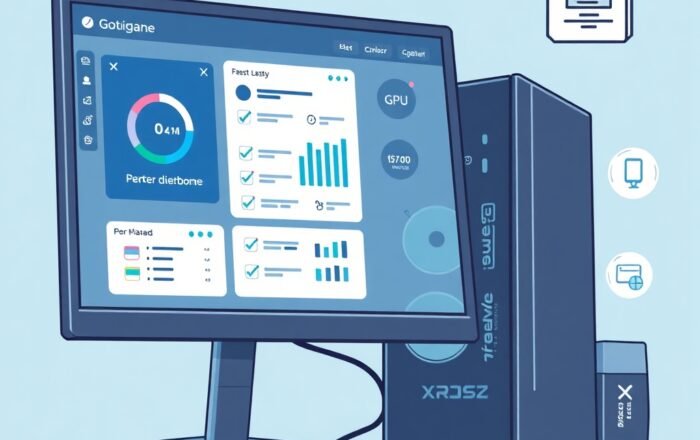
Turn your gaming setup into a consistent, optimized experience.
If you’ve ever wondered why some players get consistently smooth performance while others fight stutter, latency, or unstable settings, the answer is usually process—not luck. This is where gaming befitnatic comes in: a disciplined approach to configuring devices, optimizing game settings, and staying ready for updates so you can keep your setup performing the way it should.
In this guide, we’ll walk through practical workflows you can use whether you’re building a new rig, refining an existing one, or preparing for a major patch. You’ll get checklists, tuning principles, and a sensible update routine that helps you avoid the common “change everything at once” trap.
What “Gaming BeFitnatic” Really Means for Your Setup
Gaming befitnatic is about treating gaming performance as a repeatable outcome. Instead of changing settings randomly, you define a baseline, tune deliberately, and validate results after every meaningful change—hardware updates, drivers, game patches, and in-game adjustments.
At a professional level, the workflow typically includes:
- Planning your baseline (resolution, frame-rate target, input preferences, stability priorities)
- Optimizing for your real hardware (CPU/GPU balance, memory behavior, cooling realities)
- Updating with intention (drivers and patches applied in a controlled manner)
- Verifying performance using repeatable observation methods
If you’re new to the ecosystem and want context on how the platform is built to support tech and gaming workflows, start with the purpose and setup overview on the site: About the website BeFitNatic.
Build a Stable Baseline Before You Tune
The fastest way to waste time is to start tuning without knowing your starting point. A baseline doesn’t have to be complicated; it simply needs to be consistent enough that you can compare “before vs. after.”
Choose your target experience
Decide what “good” means for you. Common goals include smooth competitive play (low input lag), visually consistent single-player experiences (stable frame pacing), or a balanced mix.
- Frame-rate target: set expectations (e.g., smooth 60, higher refresh compatibility, or variable frame-rate tolerance)
- Latency priority: prioritize responsiveness over peak visuals when needed
- Visual priority: decide which effects matter most (shadows, reflections, textures, anti-aliasing)
Confirm system readiness
Before adjusting game settings, make sure your system can reliably support them.
- Ensure GPU and CPU temps are within reasonable ranges under typical load
- Check that power settings won’t throttle performance unexpectedly
- Verify your RAM is stable (especially after enabling XMP/EXPO)
- Keep storage with enough free space for updates and temporary files
For a broader look at how this philosophy translates into gaming tech setup and ongoing maintenance, you may also find value in Games Tech BeFitnatic: A Professional Guide to Setup, Performance, and Updates.
In-Game Optimization That Doesn’t Break After Updates
In-game settings can dramatically impact both performance and stability. The goal isn’t to set everything to minimum; it’s to choose the right combination for your hardware and your play style.
Start with performance-critical settings
Many games are sensitive to a few key factors. Treat these as your “primary controls,” then refine secondary options.
- Resolution mode: native vs. performance modes vs. scaling options
- Frame pacing: ensure your settings align with your monitor refresh behavior
- Anti-aliasing and upscaling: balance clarity with cost
- Shadows and volumetrics: these often carry significant GPU load
- Texture quality: usually less costly than shadows/effects, but still matters
Use a consistent tuning method
Try this step-by-step approach to avoid “setting roulette.”
- Change one cluster at a time (for example, shadows + volumetrics together, then textures)
- Re-test in the same scenarios (same map area, same gameplay moment, similar duration)
- Record what improves (feel, stability, responsiveness—don’t rely only on single numbers)
- Stop once you hit your target so you don’t overshoot or waste time
Protect input feel and responsiveness
Performance gains aren’t useful if the game feels “off.” Pay attention to how tuning affects input and perceived smoothness.
- Be careful with overly aggressive frame-rate caps and mismatched refresh settings
- Adjust motion blur, camera shake, and post-processing based on preference and clarity needs
- Check whether your system introduces additional latency after changing scaling/processing options
When you approach gaming befitnatic as a repeatable tuning workflow, your settings stop being fragile—and you learn which changes matter most on your setup.
System-Level Tweaks for Real-World Stability
In many cases, the biggest wins come from system-level hygiene rather than exotic tweaks. Think of this section as “keep the foundation solid.”
Drivers and firmware: update, but don’t rush blindly
Driver updates can improve performance, fix bugs, and improve compatibility with new game builds. But they can also introduce issues. A professional approach is to plan updates around your testing routine.
- Update GPU drivers when a patch notes list relevant fixes for your games
- Prefer stable releases over experimental options unless you know why you need them
- After updating, validate performance before changing additional game settings
Background processes and overlay management
Overlays and background tools can be fine, but they can also interfere with frame pacing or increase stutter during heavy scenes.
- Temporarily disable non-essential overlays while benchmarking
- Reduce unnecessary startup programs
- Confirm that recording software (if used) matches your performance expectations
Thermal management matters more than you think
Thermals impact clocks and stability. If your CPU or GPU is throttling, in-game tuning alone won’t fully solve your issues.
- Keep airflow clear and verify fan curves reflect your typical usage
- Consider cleaning dust buildup and ensuring thermal paste quality (when applicable)
- Watch temps during your “worst-case” game scenarios
Update Readiness: How to Handle Game Patches and Changes
Game updates can change performance characteristics, alter visuals, and sometimes reset or shift settings. A gaming befitnatic update routine helps you absorb changes quickly without losing your preferred configuration or breaking stability.
Before an update: prepare your environment
- Ensure you have enough storage space for the patch and temporary files
- Check whether the game offers configuration backups or cloud saving for settings
- Identify your “must-win” modes (ranked, preferred maps, competitive settings)
After an update: validate in a controlled order
Don’t start by changing everything. Instead, validate first.
- Launch and confirm performance baseline using your standard scenario
- Check for settings resets (resolution, upscaling, frame-rate caps, V-Sync behavior)
- Review patch changes if performance feels different than expected
- Adjust only what’s necessary and retest with the same method
When to consider a performance re-tune
You don’t need to re-tune after every patch, but you should re-evaluate if you see consistent issues.
- New stutter patterns appear in specific areas
- Your frame rate target is no longer achievable with prior settings
- Input feels different (e.g., responsiveness worsens)
- Visual toggles behave unexpectedly
If you want guidance specifically around keeping up with updates, changes, and optimization tips, check Befitnatic Game Update: New Features, Changes, and Optimization Tips.
Document Your Best Settings (So You Don’t Restart From Zero)
One of the most professional habits in gaming is documentation. When you keep a simple record of your configuration decisions, you avoid repeating work and you reduce the time it takes to recover after patches.
What to track
- Your target resolution and any scaling/upscaling approach
- Frame-rate cap settings and sync behavior
- Key graphics toggles that impact stability (shadows, volumetrics, post-processing)
- System-level notes (driver version, major changes like BIOS updates)
Make it easy to reproduce
Your documentation doesn’t have to be elaborate. A simple structured note can be enough to restore your “good setup” quickly.
- Date and patch version
- What you changed and why
- The result: smoother play, improved stability, reduced stutter, etc.
This is a practical way to operationalize gaming befitnatic: you convert trial-and-error into a repeatable process.
Common Mistakes to Avoid
Even experienced players can fall into patterns that slow progress. Avoid these common traps.
- Changing too many settings at once (you won’t know what caused the change)
- Ignoring frame pacing and focusing only on average FPS
- Updating drivers or game versions without a test plan
- Over-optimizing visuals for a system that can’t sustain the target experience
- Forgetting system thermals and power behavior
Conclusion: A Professional Workflow for Gaming BeFitnatic
To get the best out of your gear and your time, treat performance like a system: establish a baseline, tune with a controlled method, and handle updates with a validation-first routine. That’s the heart of gaming befitnatic—a disciplined approach that helps you achieve stable, repeatable results without constant guesswork.
As you refine your process, you’ll spend less time troubleshooting and more time playing. If you want to explore how the platform supports setup and ongoing maintenance, you can also review the broader overview on the team BeFitNatic: How to Set Up, Optimize, and Stay Updated.
FAQ: Gaming BeFitnatic
How often should I re-tune my in-game settings?
Only when something changes meaningfully—new drivers, a major patch, or consistent performance issues. Otherwise, validate and keep your current baseline.
What’s the best first step when performance drops after an update?
Check whether important settings reset (resolution mode, frame caps, sync behavior, upscaling). Then test your usual scenario before adjusting everything.
Is “gaming befitnatic” only for high-end PCs?
No. The workflow is about repeatability. Players on mid-range hardware benefit just as much from controlled tuning and update readiness.
Should I disable overlays and background apps for testing?
Yes—especially when you’re comparing “before vs. after.” Once you find a stable setup, you can re-enable tools you rely on.