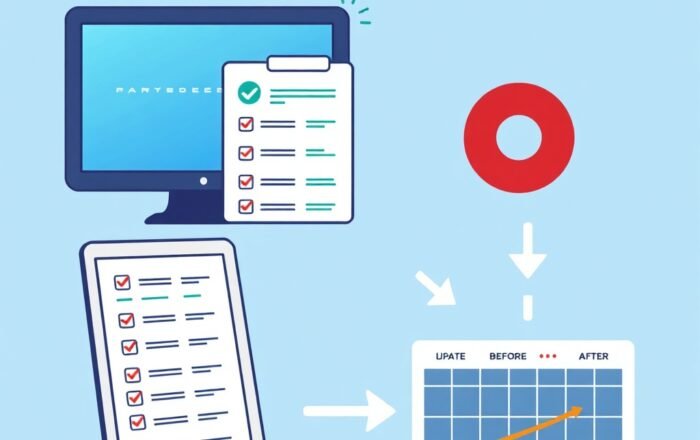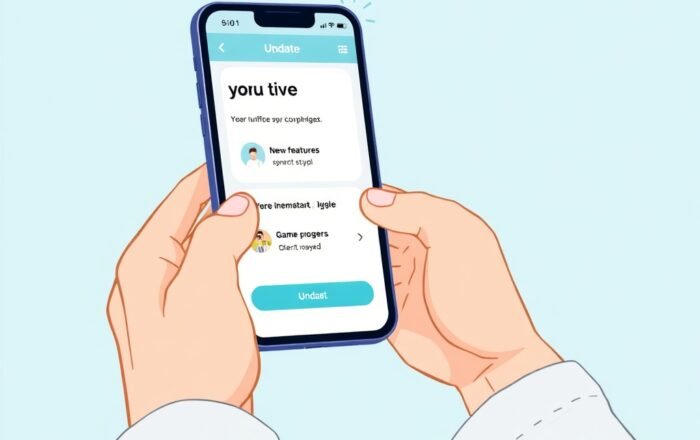
Tune your gear, streamline updates, and play at peak performance.
If you want consistent frame rates, faster load times, and fewer “mystery” glitches, you need more than just the newest hardware. This is where game tech befitnatic comes in: a professional approach to configuring, optimizing, and maintaining your gaming setup so it performs well today—and continues to perform well after updates.
In this article, we’ll walk through the end-to-end workflow: planning your setup, applying performance-ready settings, validating results, and keeping your drivers, game files, and tools up to date. Along the way, you’ll get practical checklists you can use whether you’re building a new rig or refining an existing one.
What “game tech befitnatic” means for modern gamers
game tech befitnatic isn’t just a collection of tips—it’s a repeatable system. The idea is to treat your gaming setup like a professional workstation: predictable configurations, measurable performance goals, and careful maintenance after every meaningful change.
Instead of chasing settings randomly, you optimize in a controlled order. That makes troubleshooting easier and helps you avoid performance regressions caused by conflicting tools, outdated drivers, or unverified game integrity.
The core pillars
- Correct setup: Hardware, OS, storage, and peripherals configured in a stable, sensible baseline.
- Performance tuning: Graphics, CPU/GPU behavior, networking, and background processes optimized for your target play style.
- Update discipline: Drivers and game patches applied with validation so you can quickly confirm “what changed” and “how it affects you.”
- Ongoing maintenance: Routine checks, configuration backups, and safe rollback options when needed.
If you’re new to the overall BeFitNatic ecosystem, it helps to start with a quick orientation to understand what the guides focus on and how the site structures setup and update workflows. See Features, Purpose, and How to Get Started for helpful context.
Build a performance-ready baseline (before you tune)
A common reason performance tuning “doesn’t stick” is that the foundation is unstable—missing updates, power settings that throttle performance, background software that competes for resources, or storage that’s running at suboptimal health.
1) Verify your system health
- Update the OS: Install critical updates that affect drivers, networking, and system stability.
- Check storage condition: Ensure you have adequate free space and that your game library is on a reliable drive.
- Review thermals: If your CPU/GPU frequently thermal throttle during sustained play, tuning graphics won’t fully solve the issue.
2) Establish a clean background environment
Performance and input latency can be affected by background services, overlays, and startup apps. Before you change in-game settings, reduce noise:
- Close launchers or recorders you don’t need for the session.
- Temporarily disable non-essential overlays to test responsiveness.
- Review startup programs and keep the boot environment lean.
3) Use a power and performance profile
Your system’s power plan can change how consistently your hardware boosts under load. Make sure your power settings match your goal (high performance for gaming) and confirm it doesn’t revert after sleep or restart.
Graphics and settings strategy that actually improves play
When people talk about “settings,” they often mean a single screenshot—one that may or may not perform well. A game tech befitnatic approach starts with a strategy: define your target experience, then apply settings that support it consistently.
Before you change anything, decide what matters most:
- Max FPS: Prioritize stability and frame pacing; avoid settings that cause spikes.
- Competitive clarity: Prioritize consistent frametime and readable motion.
- Visual quality: Raise quality settings gradually while monitoring performance impact.
- Heat and noise limits: Balance settings to maintain safe thermals and acceptable fan behavior.
Start with in-game performance fundamentals
Many games provide a “baseline” set of options (resolution scaling, texture quality, shadows, and post-processing). A safe tuning method is:
- Set resolution and scaling: Choose a resolution your system can sustain; use scaling if you need a stable FPS floor.
- Handle shadows carefully: Shadows often have a heavy impact; reduce them first if performance is inconsistent.
- Control post-processing: Effects like motion blur or heavy anti-aliasing can help visuals but may cost frametime.
- Cap FPS if needed: A frame cap can reduce power spikes and improve consistency.
Use targeted configuration for competitive vs. cinematic play
If you play different genres, consider maintaining two in-game profiles:
- Competitive profile: Lower or optimized post-processing and effects; focus on frametime stability.
- Cinematic profile: Balanced visual enhancements while keeping the system stable.
This simple habit reduces the chance you’ll accidentally ship your “best graphics” settings into a raid or ranked match where stability matters most.
Driver, GPU, and memory optimization without the guesswork
Drivers are the bridge between your hardware and game engines. Keeping them current helps—but blindly updating can also introduce changes you didn’t anticipate. The goal is to update responsibly and validate results.
Driver update workflow
- Before updating: Note your current driver version and whether you’re experiencing any known issues.
- After updating: Launch a repeatable test scenario (a benchmark or a consistent in-game area) to confirm you didn’t lose performance.
- If problems appear: Re-check overlays, power settings, and game configuration files before assuming the update is “bad.”
Why memory and background apps matter
Not every performance issue is GPU-bound. In many gaming setups, memory pressure from background apps can cause stutters or slow asset loading. If you notice intermittent hitching:
- Close heavy browsers and streaming tools during testing.
- Reboot before a session if your system has been running for days.
- Confirm game launch settings aren’t repeatedly overridden by other tools.
If you want a wider professional view on gaming setups, including updates and performance maintenance, explore Games Tech Befitnatic: A Professional Guide to Setup, Performance, and Updates.
Networking performance for lower latency and smoother sessions
Even with strong hardware, poor networking can cause rubber-banding, lag spikes, and inconsistent match behavior. A professional game tech befitnatic workflow treats network performance as part of system optimization—not an afterthought.
Practical networking checks
- Prefer wired connections: If possible, use Ethernet for stable latency.
- Reduce competing traffic: Stop large downloads or cloud backups during ranked play.
- Confirm router settings: Enable relevant gaming features (like QoS) if your router supports them.
- Test stability: If latency spikes happen only at certain times, investigate ISP congestion and household bandwidth usage.
DNS and packet stability (optional but helpful)
Some users improve consistency by using a reputable DNS provider and monitoring connection stability. The key is to change one variable at a time, then retest so you can attribute improvements accurately.
Update management: keep games and drivers aligned
Updates can bring new features and performance changes, but they can also modify settings, reset configs, or alter how the game uses your system. That’s why update discipline matters.
Create an “after-update validation” routine
After you install a game patch or driver update, run a short validation sequence:
- Launch the game and confirm it loads cleanly (no unusual hangs).
- Verify graphics settings weren’t reset to defaults.
- Test a common in-game scenario where you previously noticed issues.
- Check whether input feels consistent (aim responsiveness, movement smoothness).
Know how to handle “what changed”
A professional workflow includes tracking what changed and how it affects you. Keep a simple note of:
- Driver version and date
- Game patch date and version
- Any performance changes observed during the first session
For update-focused guidance, you can also consult Befitnatic Game Update: New Features, Changes, and Optimization Tips to better understand what to look for after patches land.
Troubleshooting performance drops the professional way
When performance falls off suddenly, don’t randomly change everything at once. Use a structured approach so you can isolate the root cause. This is the practical side of game tech befitnatic: controlled troubleshooting, not trial-and-error chaos.
Step-by-step isolation
- Confirm reproducibility: Does the issue happen every match or only sometimes?
- Check recent changes: Were there updates, new mods, new launch options, or driver changes?
- Return to a known-good profile: Switch to a stable preset you previously used successfully.
- Disable overlays and experiments: Test without recording tools, overlays, or performance “tweakers.”
- Re-validate settings: Ensure resolution scaling and frame caps are what you expect.
Common symptoms and likely causes
- Micro-stutter: Often tied to background activity, storage hiccups, or memory pressure.
- Sudden FPS drop after an update: Possible configuration reset or driver-level behavior changes.
- Input feels “slippery”: Consider mouse settings, controller dead zones, and in-game motion smoothing.
- Network lag spikes: Check router stability and household bandwidth competition.
For more setup-oriented guidance and maintaining updates smoothly, you can review How to Set Up, Optimize, and Stay Updated.
Conclusion: Make game tech befitnatic your ongoing performance system
High performance in gaming isn’t something you unlock once—it’s something you maintain. By using the game tech befitnatic approach, you build a stable baseline, tune settings methodically, validate updates, and troubleshoot with discipline. The result is a gaming setup that feels consistent session after session.
Start with the fundamentals, document your settings, and treat every update like a controlled experiment. When you do that, performance improvements become repeatable—and setbacks become easier to diagnose.
FAQ
How often should I update drivers and games?
Update when you have a reason (new game support, known fixes, or stability improvements). After each update, validate performance using a repeatable scenario so you can confirm the change helps your setup.
Should I use high graphics settings if my FPS is unstable?
No. If FPS or frametime is unstable, reduce settings that commonly trigger spikes (like shadows and heavy post-processing) and focus on maintaining a smooth, consistent frame rhythm.
What’s the fastest way to identify the cause of a performance drop?
Look for recent changes (patches, drivers, overlays, new background apps) and revert to a previously stable configuration. Then isolate one variable at a time instead of changing everything at once.
Does networking optimization matter for single-player games?
It depends. Single-player games are less sensitive to latency spikes, but downloads, online features, and cloud synchronization can still affect loading consistency. For competitive online play, it matters significantly.